

5 Ways ICTI College is Improving Our Graduates in TVET Education
The Ministry of Education is working alongside industry players, including German companies, to improve Technical and Vocational Education and Training (TVET) education in Malaysia. RM5.9 bil from Budget 2020 is allocated to structure TVET education to be as similar to Germany’s. They are also actively promoting TVET education through programmes and initiatives.
The main challenge that the business landscape faces is not getting enough skilled workforce that drives the national economy. On a global level, although the evolving automotive industry and economies create new opportunities, it challenges ‘traditional’ jobs as they become obsolete.
Thus, strategies, discussions and implementations need to be taken in order to fill in the gap at the fundamental education level in building graduates. Here are 5 ways how ICTI College improves our graduates in TVET education so that they will be well-prepared in the automotive industry.
- Being flexible in automotive technology and trends
As technology advances in the business landscape, TVET education needs to be flexible and innovative. It is important to know that students are the ‘future employees’ in the automotive industry. So we need to put more emphasis on cultivating value and skills that can be applied to the workplaces.

By spending resources on fixed syllables and structures, the joy of learning (students) and teaching (teachers and trainers) will be diminished. We won’t be able to catch if we still use the ‘traditional’ teaching methods. Educators need to make the technical learning fun and relevant by using creative approaches that ignite curiosity, questioning and active participation.
- Collaboration with companies in the automotive industry
Providing industrial-oriented training programmes – a combination of workspace and educational training (apprenticeships, National Dual Training System (NDTS), German Dual Vocational Training (GDVT) and work-based learning (WBL) – is vital for students. It helps to bridge the relationship between students and the automotive industry that enables them to improve their skills and be well-prepared and adaptable in this industry.
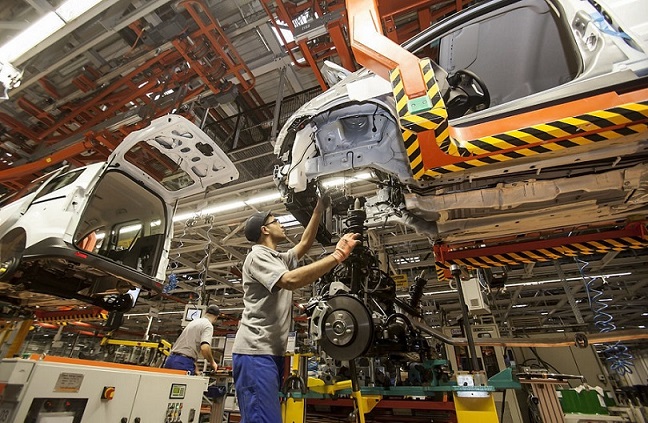
Students will learn the theoretical knowledge (30% – 40%) at the TVET colleges and work skills (60% – 70%) in this industry. Creating partnerships between both parties help to cultivate, nurture and develop students.
TVET colleges need to see through in getting these companies to see the value in the ground level of talent development. With that, the automotive industry will allocate their time and resources to work together with the TVET colleges in committing to improve the future of the skilled workforce in Malaysia.
- Focus on the quality of long-term career growth
We have to do ongoing examinations and evaluations on the quality of the graduates that are employed in the automotive industry. Also, we need to provide professional developments for the training staff. These are beneficial for the industry and economy.
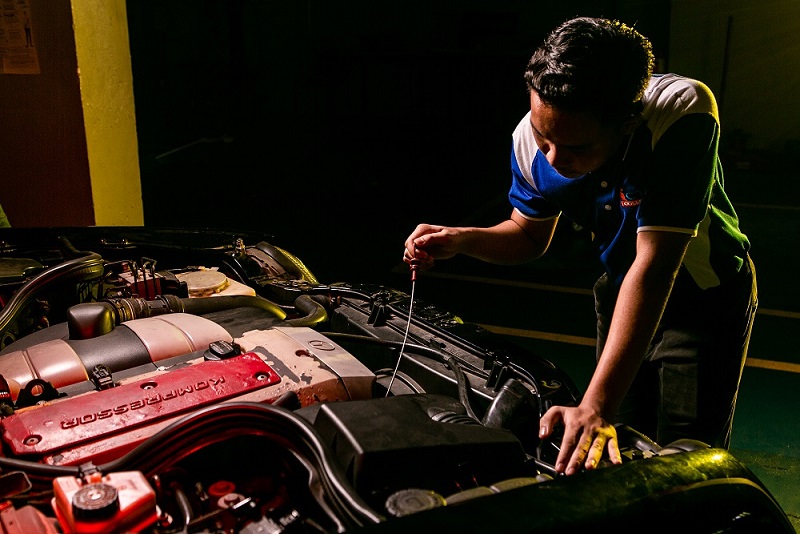
It requires dedication and compassion in providing support for future generations. Although we come from diverse backgrounds, we have similar goals and challenges in our career journey. Creating a community not only supports the individuals, it contributes to the transformational shifts in the socio-economic development that can impact on improved skills and education.
- Having the right attitude – building essential skills to withstand the challenges in automotive industry
With great self-esteem, discipline, interest and communication skills, the workforce will be able to overcome the ongoing challenges in the automotive industry. Building up their skills, including attitude and well-being, requires support by trainings and consultations.

TVET colleges need to provide character building and soft skills in their core programmes. The experts in the community need to teach students in learning leadership skills, communication skills and emotional resilience. These skills are useful for the students as they will be able to adapt themselves and overcome challenges in the real world.
- Becoming ONE TVET community
A person who has the skills and knowledge about the latest technology and equipment ‘alone’ will not make changes and improve the TVET industry. That is why having ‘people’ onboard matters the most.
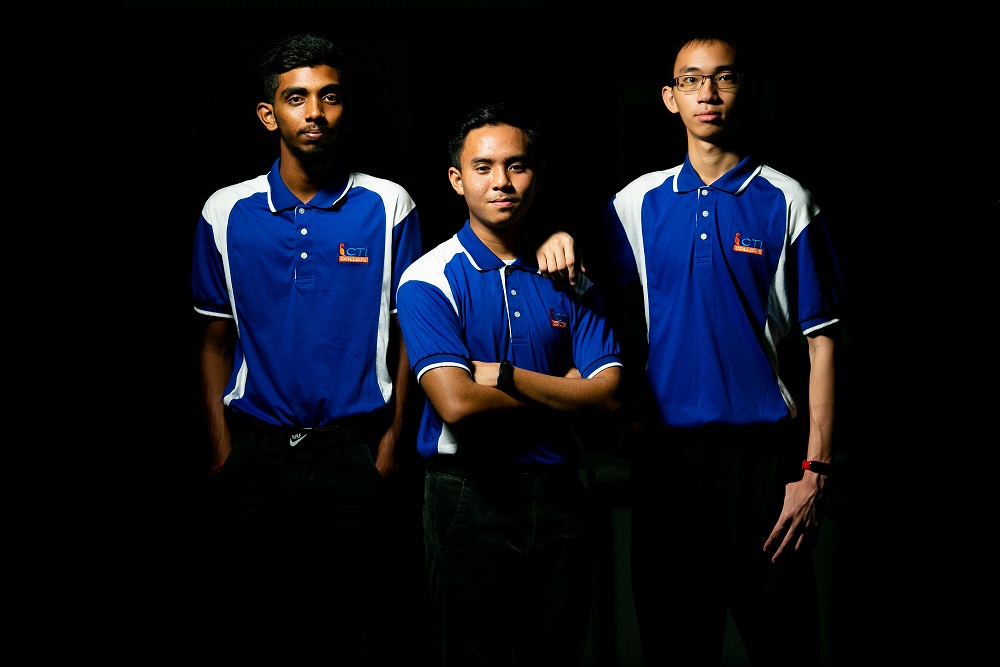
We have to connect with people and support each other in pursuing our agenda. We need to meet the people’s interests, growth and expectations in addressing the current issues. The discussions and support will bring a positive transformation in the TVET industry.
Utilising these strategies for improving graduates in TVET colleges will impact on creating a skilled workforce in the evolving business landscape. It is fundamentally important for the nation’s economy.